
Typing "therapist near me" into Google and scrolling through a grid of headshots isn't the same as finding a trusted therapist. If you're looking for a therapist in Cottonwood Heights or anywhere else in the Salt Lake Valley, the real work isn't finding names, it's figuring out who fits what you need help with, how you like to work, and your schedule.
Here at Green Willow Counseling, we talk to a lot of people who've already tried to find a therapist before they call us. So we put together the checklist we wish more people had before they started looking.
1. Get Clear on What You Actually Want Support With
Every therapist near Murray or in the wider Salt Lake Valley has areas they're strongest in. Some lean heavily into trauma work, some specialize in anxiety and OCD, some focus on couples or teens. Before you look at a single bio, write down one or two sentences about what's bringing you to therapy right now. That sentence becomes your guide.
At Green Willow, our team works across childhood trauma and PTSD, anxiety and OCD, depression, grief and loss, faith transitions, and LGBTQIA+ affirming care, with therapists who each bring their own focus within that range. If you know your specific concern going in, you can search "therapist Murray anxiety" or "therapist Salt Lake Valley trauma" instead of a generic search, and skip a lot of scrolling.
2. Understand the Approach, Not Just the License
In Utah, therapists carry credentials like LCSW, CMHC, AMFT, or CSW, all legitimate, licensed pathways. But the letters after a name tell you less than the approach behind them. Ask (or look for on a bio page): does this person work from a trauma-informed lens? Do they draw on evidence-based modalities like CBT, ACT, or IFS? Do they incorporate mindfulness or the mind-body connection, or is it purely talk-based?
We built Green Willow around a holistic approach to trauma healing, which means our therapists work with mind, body, and spiritual practice together, not just cognitive tools in isolation. That's a different fit than a purely clinical, symptom-checklist style of therapy, and it's worth knowing which style you're drawn to before you book.
3. Location and Logistics Matter More Than People Admit
If you're searching "therapist Cottonwood Heights" or "therapist Salt Lake Valley," logistics are probably already on your mind, and they should be.
Commute reality: Our office sits at 6790 South 1300 East in Cottonwood Heights, an easy reach from Sandy, Holladay, Murray, and the rest of Salt Lake County.
In-person or telehealth: We offer both, so you can come in when you want the physical space and switch to telehealth on the weeks that call for it.
Scheduling flexibility: Ask about evening availability if a 9-to-5 makes daytime sessions hard to swing.
4. Insurance and Cost, Sorted Out Before Session One
This is where a lot of people stall out before they ever book. Before your first call:
Confirm whether the practice is in-network with your plan. We're in-network with Select Health, UnitedHealthcare, UUHP, PEHP, EMI Health, Regence/BCBS, HMHI-BHN, and UMR, and we file claims as a courtesy.
Ask about self-pay and sliding scale options if you're paying out of pocket. We accept cash, credit, HSA, and ecclesiastical reimbursement.
If you're not sure what your plan covers, just call. We're happy to check coverage with you directly rather than making you guess.
5. Read Bios Like You're Interviewing, Not Browsing
A therapist's bio page should tell you more than a degree and a friendly headshot. Look for their specific specialties, the modalities they actually use, and who they tend to work best with, individuals, couples, teens, or specific life stages. A vague bio isn't disqualifying, but it's a sign to call and ask more questions before booking.
6. Know What the First Session Actually Looks Like
A lot of hesitation around starting therapy comes from not knowing what to expect. Here's ours, and it's fairly typical of a good first session anywhere: it's a real conversation, not an interrogation. Your therapist asks what brought you in and what you're hoping for, and you don't need to have answers fully formed. The first session (about 53 minutes for us) is mostly them getting to know you, no homework, no pressure. By the end, you'll have a loose roadmap and a sense of your goals, with no commitment required beyond that.
7. Trust the First Conversation
Most practices, ours included, offer a free 15-minute consult before you commit to a first full session. Use it. Fit matters more to therapy outcomes than almost any other single factor, more than modality, more than years of experience. If the first conversation feels easy, that's a real signal. If something feels off, it's fine to keep looking.
A Quick Checklist Before You Book
I know the specific issue I want support with
I understand the therapist's approach, not just their license
I know if I want in-person, telehealth, or both
I've confirmed insurance or asked about self-pay directly
I've read the bio closely, not just skimmed it
I've scheduled a free consult call
Two Murray-Based Therapists Worth a Closer Look
If you're comparing options in Murray or across the Salt Lake Valley, two of our therapists are a good place to start, and they bring genuinely different styles to the table:
THERAPISTS TO CONSIDER
Two Murray-based therapists worth a closer look
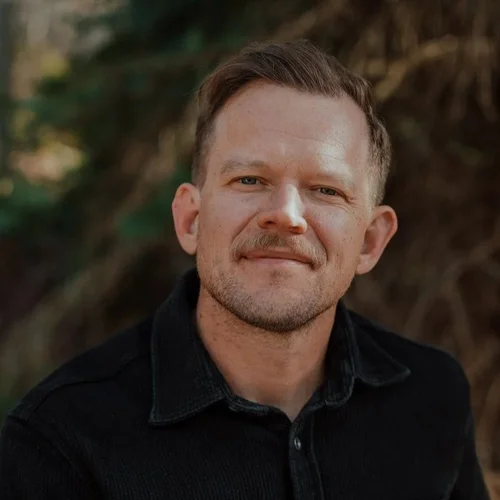
Associate Clinical Mental Health Counselor
Jacob Fike, ACMHC
Jacob works with teens and adults navigating anxiety, depression, trauma, grief, relationships, and men’s issues, drawing on CBT, psychodynamic work, and trauma-focused care.
A strong fit if: You want a grounded, direct style paired with deeper exploratory work.
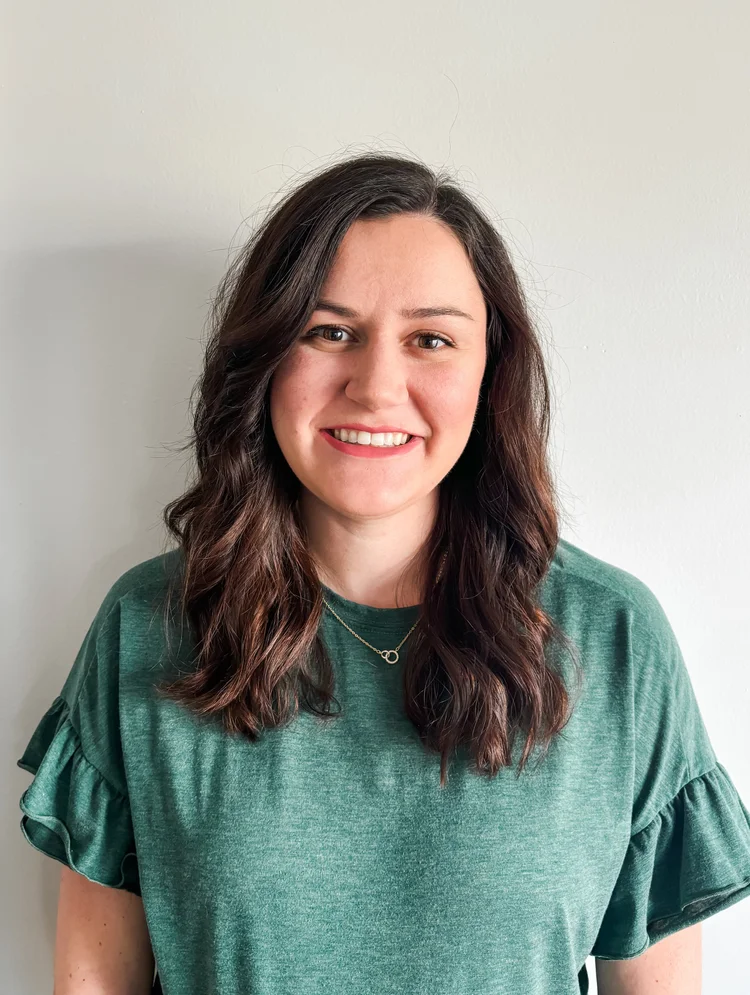
Certified Social Worker
Nikki Arnold-Moon, CSW
Nikki offers warm, client-centered care for anxiety, OCD, life transitions, grief, trauma, and chronic illness, using ACT, CBT, DBT, and ERP.
A strong fit if: You are looking for a collaborative, structured approach, especially around anxiety or OCD.
Read both bios side by side, see who sounds like the right fit for what you're working through, and reach out for a free 15-minute consult. Whether you searched "therapist Murray" or just "therapist near me," we're right here in Salt Lake County and easy to reach at (385) 436-2075.